Discover Curry Leaf Nepali & Indian Cuisine
Walking into Curry Leaf Nepali & Indian Cuisine feels like stepping into a neighborhood spot that knows exactly what it’s doing without trying too hard. Tucked along 2046 Sansom St, Philadelphia, PA 19103, United States, this restaurant has quietly built a reputation among locals who crave comfort food with real depth. I first stopped by on a rainy weekday evening, the kind of night when you want something warming and honest, and the aroma of toasted spices hit before the menu even opened.
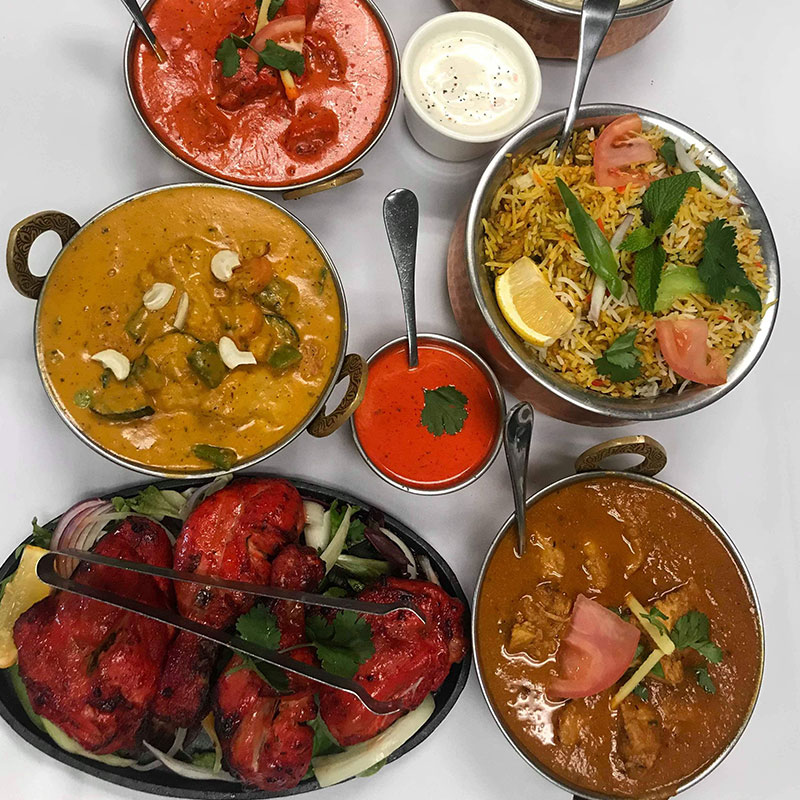
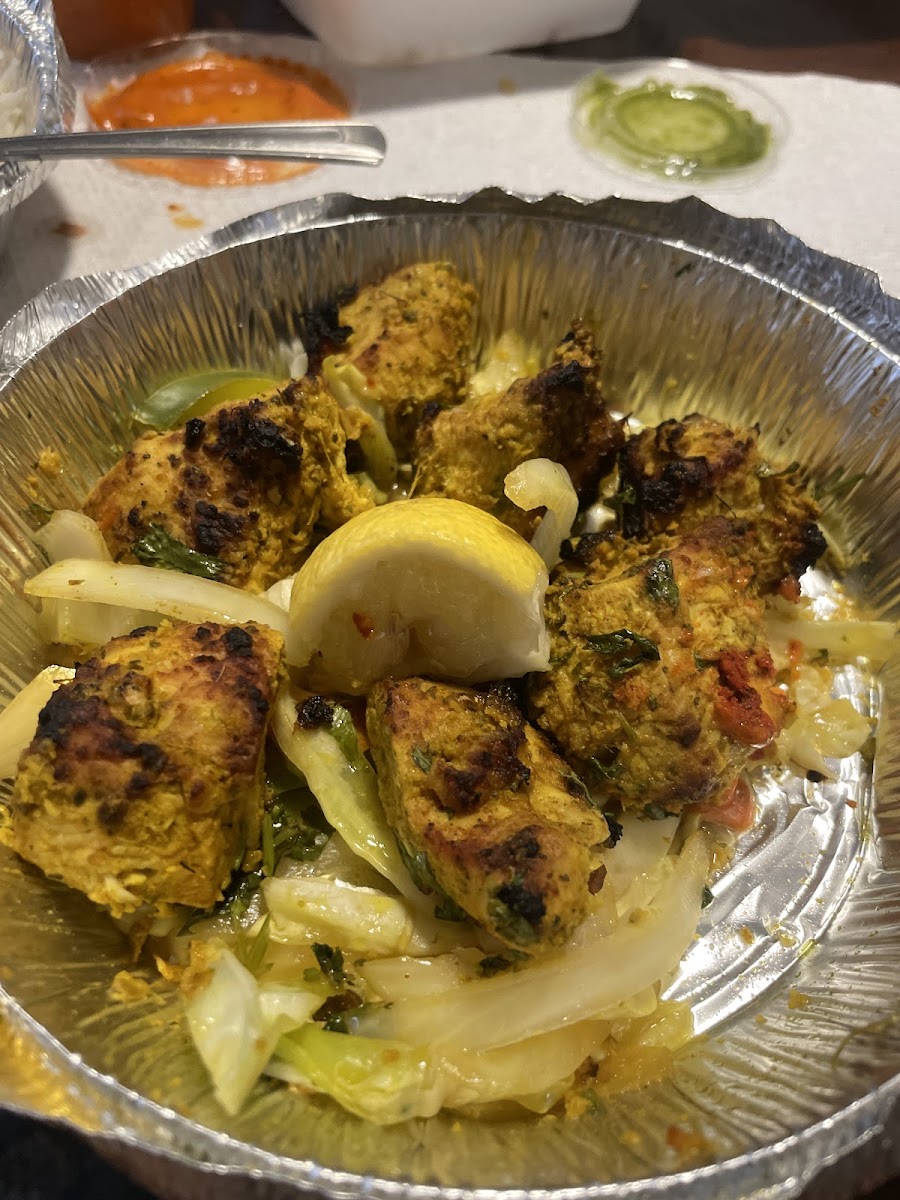
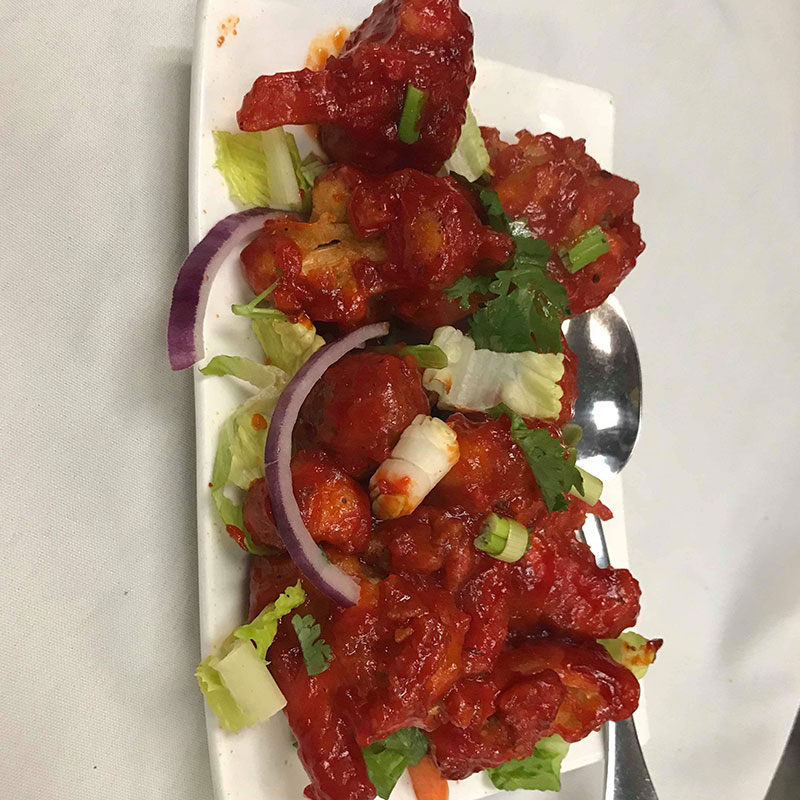
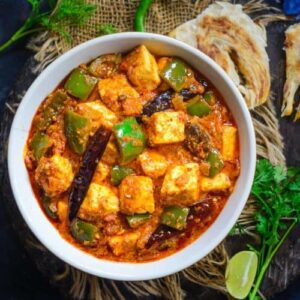
What stands out right away is how the menu balances Nepali and Indian traditions without blurring them together. You’ll see familiar favorites like butter chicken and lamb vindaloo sitting comfortably next to momos and goat curry prepared in a distinctly Himalayan style. The staff explained that many of the recipes come from family kitchens, not cookbooks, which shows in the way dishes are layered rather than overpowered. Watching the kitchen work during a slower hour, I noticed whole spices being dry-roasted before grinding, a method chefs often recommend because it releases essential oils and deepens flavor. According to research published by the Indian Council of Medical Research, this traditional approach preserves both aroma and nutritional compounds better than pre-ground alternatives.
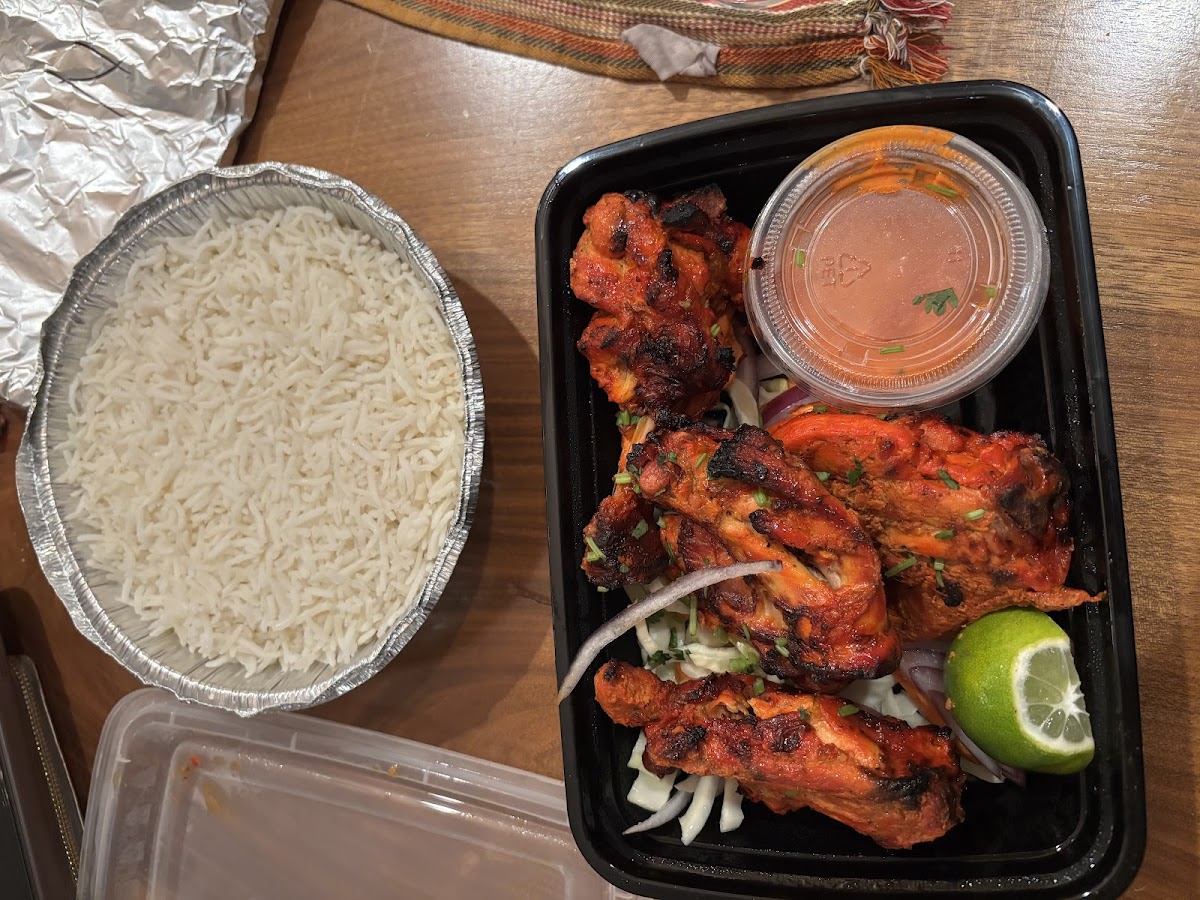
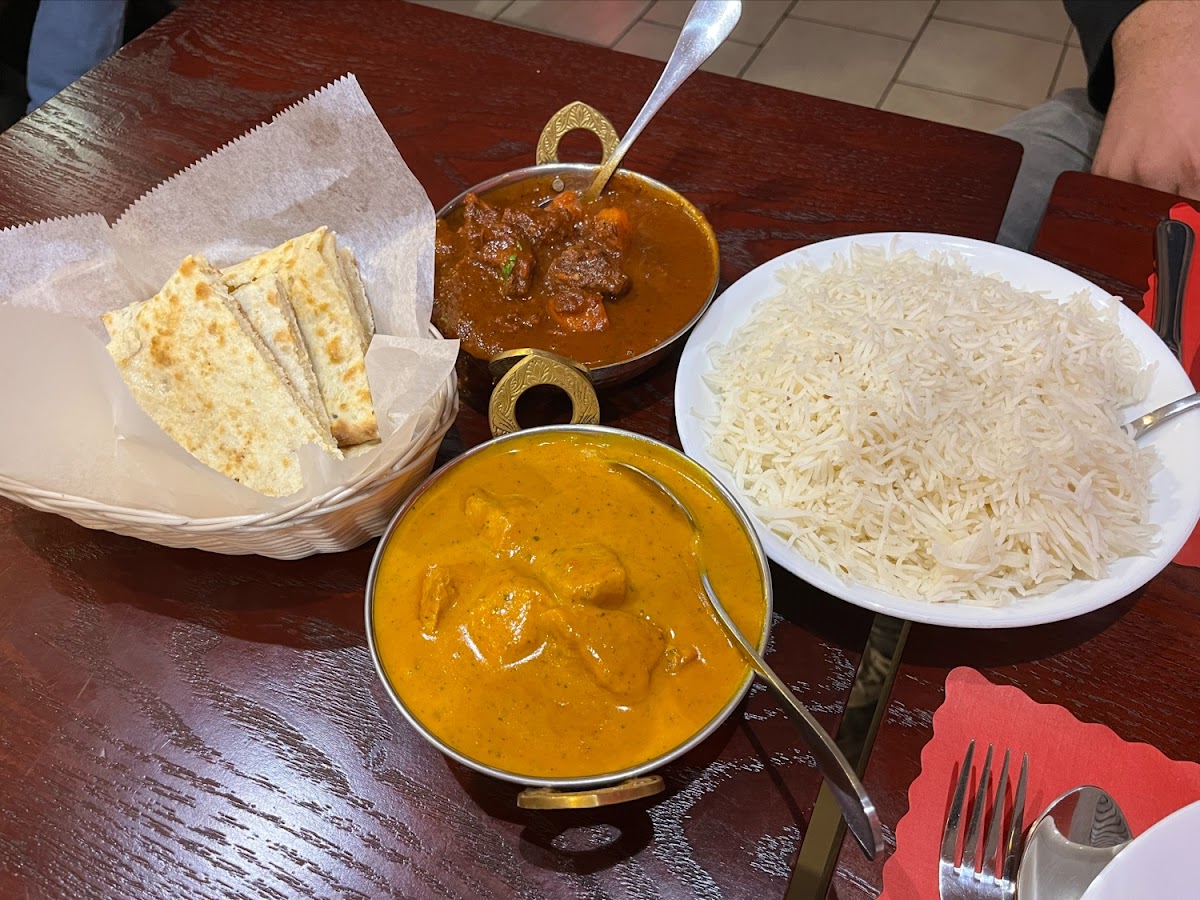
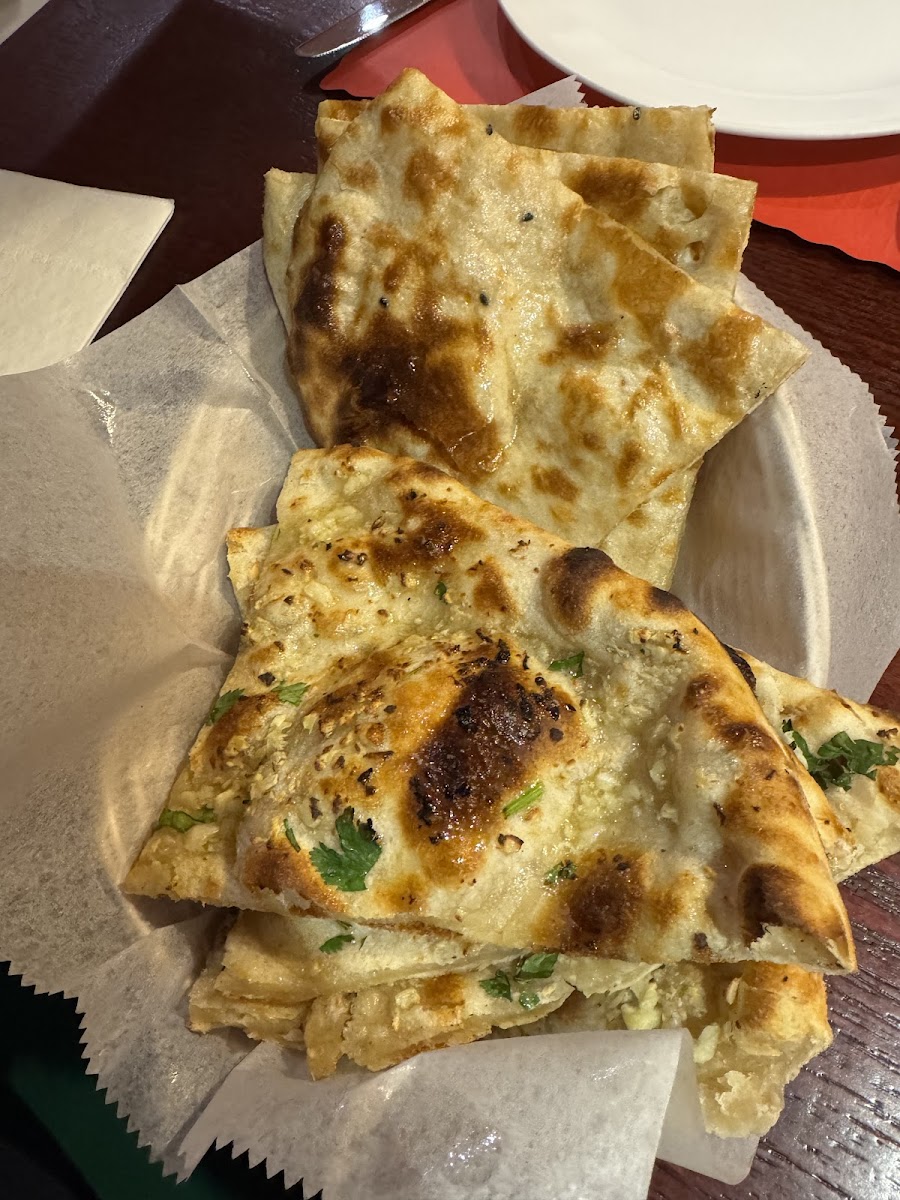
On one visit, I ordered the chicken tikka masala alongside steamed momos, a combination I’ve tested at dozens of places over the years. Here, the masala leaned more tomato-forward with a gentle creaminess instead of heavy butter, making it easier to finish without feeling weighed down. The momos arrived hot, with thin wrappers and juicy filling, the kind that tells you they weren’t sitting in a freezer all afternoon. A server casually mentioned that they prep these in small batches throughout the day, which matches what many professional chefs recommend for maintaining texture and moisture.
Reviews around Philadelphia often highlight consistency, and that’s something I paid attention to over multiple visits. Whether it was a quick lunch or a longer dinner with friends, the spice levels stayed predictable, and requests for mild or extra heat were handled accurately. That kind of reliability matters more than flashy plating. The World Health Organization has noted that spices like turmeric, cumin, and ginger-used heavily here-contain anti-inflammatory and antioxidant properties when consumed regularly as part of balanced meals, which helps explain why traditional South Asian diets emphasize variety over excess.
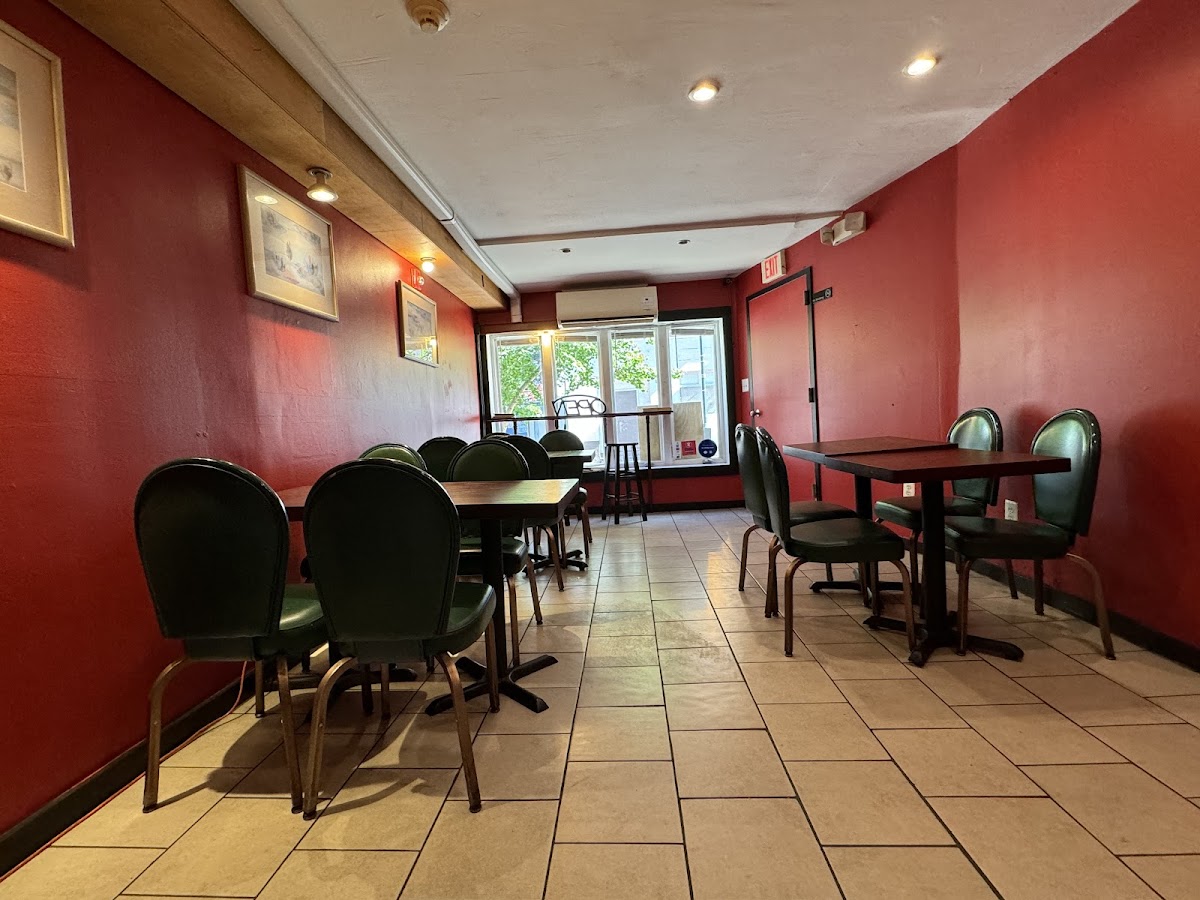
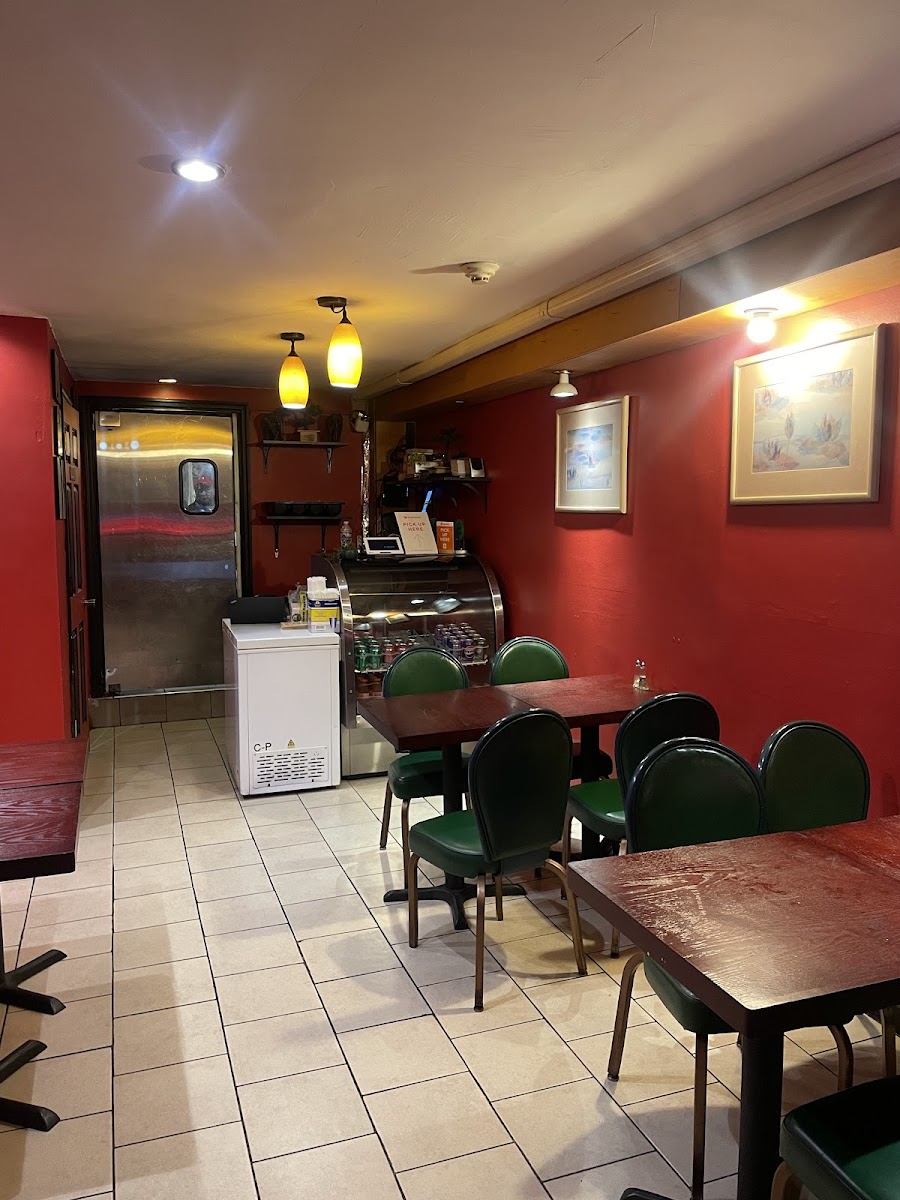
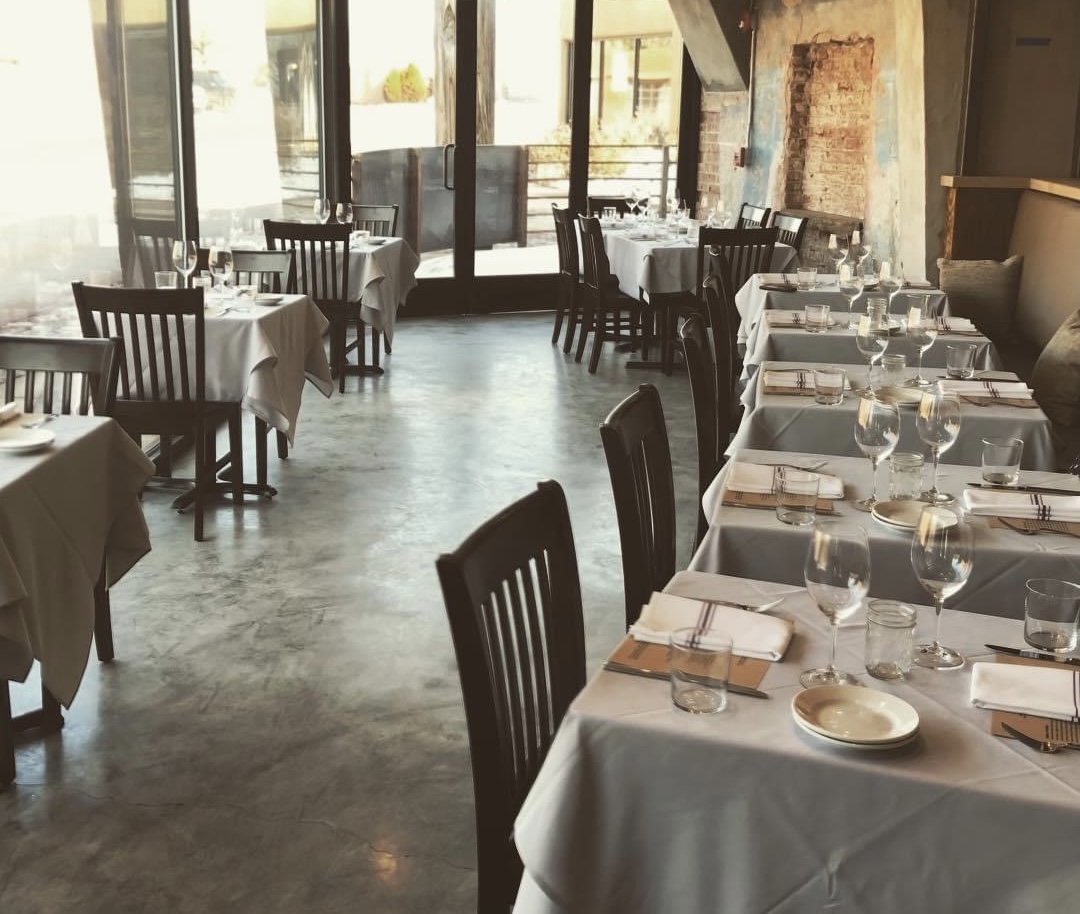
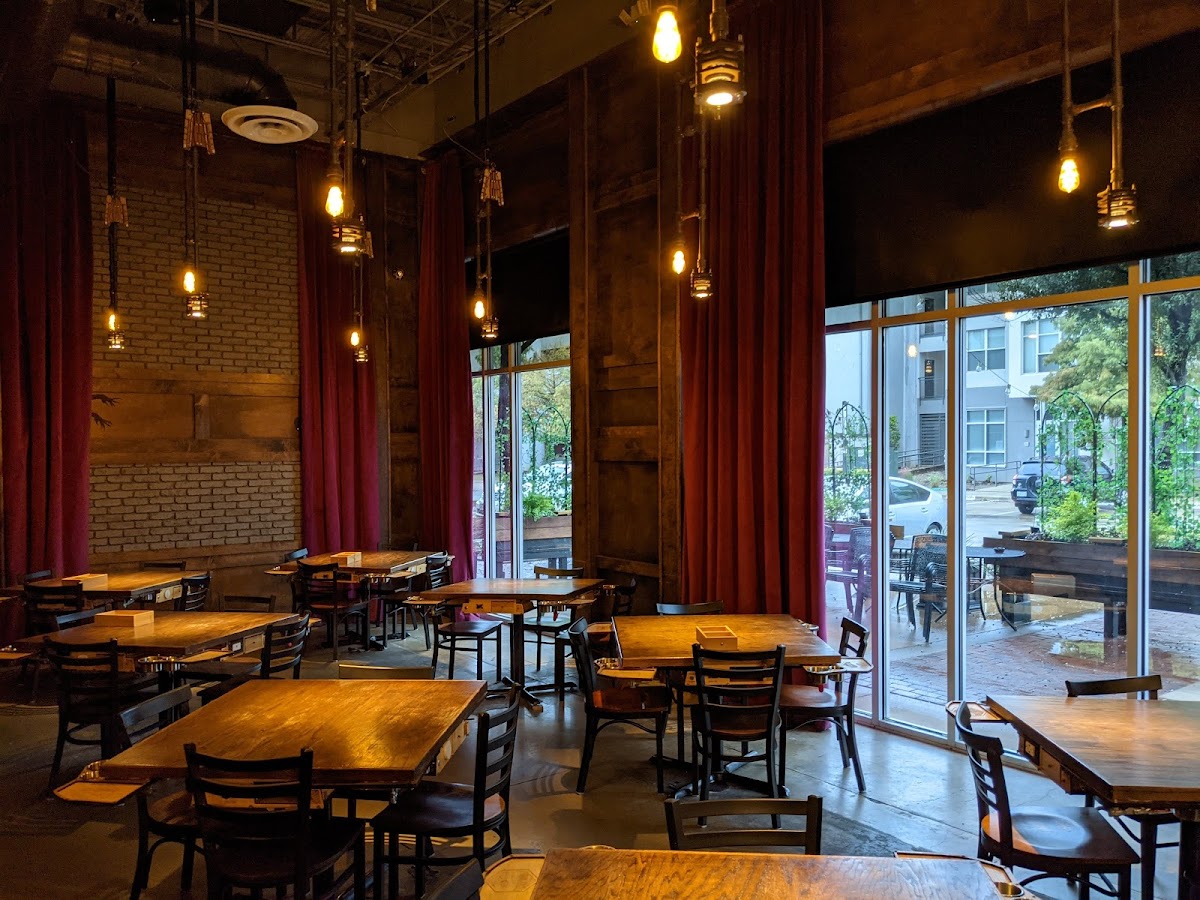
The dining room itself keeps things relaxed. Tables are close enough to feel lively but not cramped, and the background music stays low enough for conversation. It’s the kind of place where you’ll overhear regulars recommending dishes to newcomers, which happened during one of my visits when a nearby table insisted their friends try the dal makhani because it was slow cooked overnight. After tasting it, I understood the enthusiasm. The lentils were creamy without being mushy, clearly simmered patiently, a process that takes hours but pays off in depth.
Location matters too, especially in a city packed with options. Being right in Center City makes this restaurant easy to drop into after work or before a show, and the steady stream of diners suggests word has traveled well. Online reviews frequently mention friendly service and generous portions, and while tastes will always be subjective, the overall feedback aligns with my experience.
No place is perfect, and during peak hours the wait can stretch a bit longer than expected. Still, the food arrives fresh, not rushed, which feels like a fair trade. For anyone exploring Nepali and Indian cuisine beyond surface-level familiarity, this spot offers an approachable yet authentic experience rooted in real technique, thoughtful preparation, and a clear respect for tradition.